The call for applications for the second cohort of doctoral students in RTG 2905 is now open. Interested in joining our innovative and interdisciplinary team at RTG 2905? Find out how to do it here. The job posting for the second cohort of our doctoral students will remain open until July 31 – apply now…
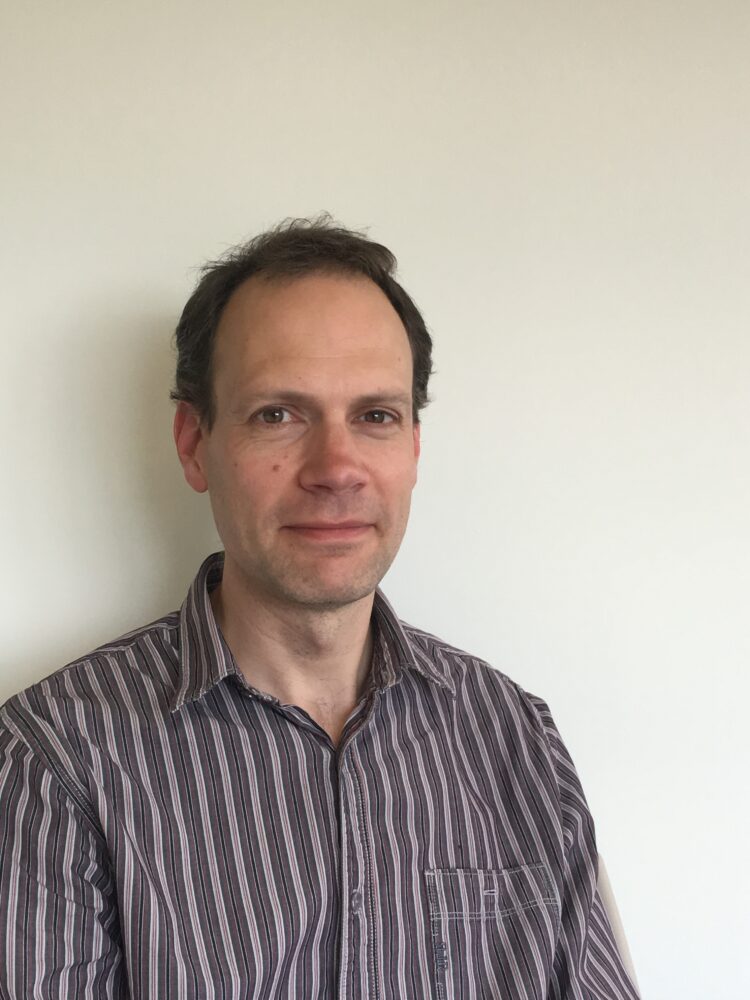
On Monday, April 20, 2026, Oliver Graydon, chief editor of Nature Photonics, will visit the RUN. In addition to scientific discussions and lab tours, a highlight of his visit will be his lecture on “The Role of AI in scientific publishing.” For more information, click here.
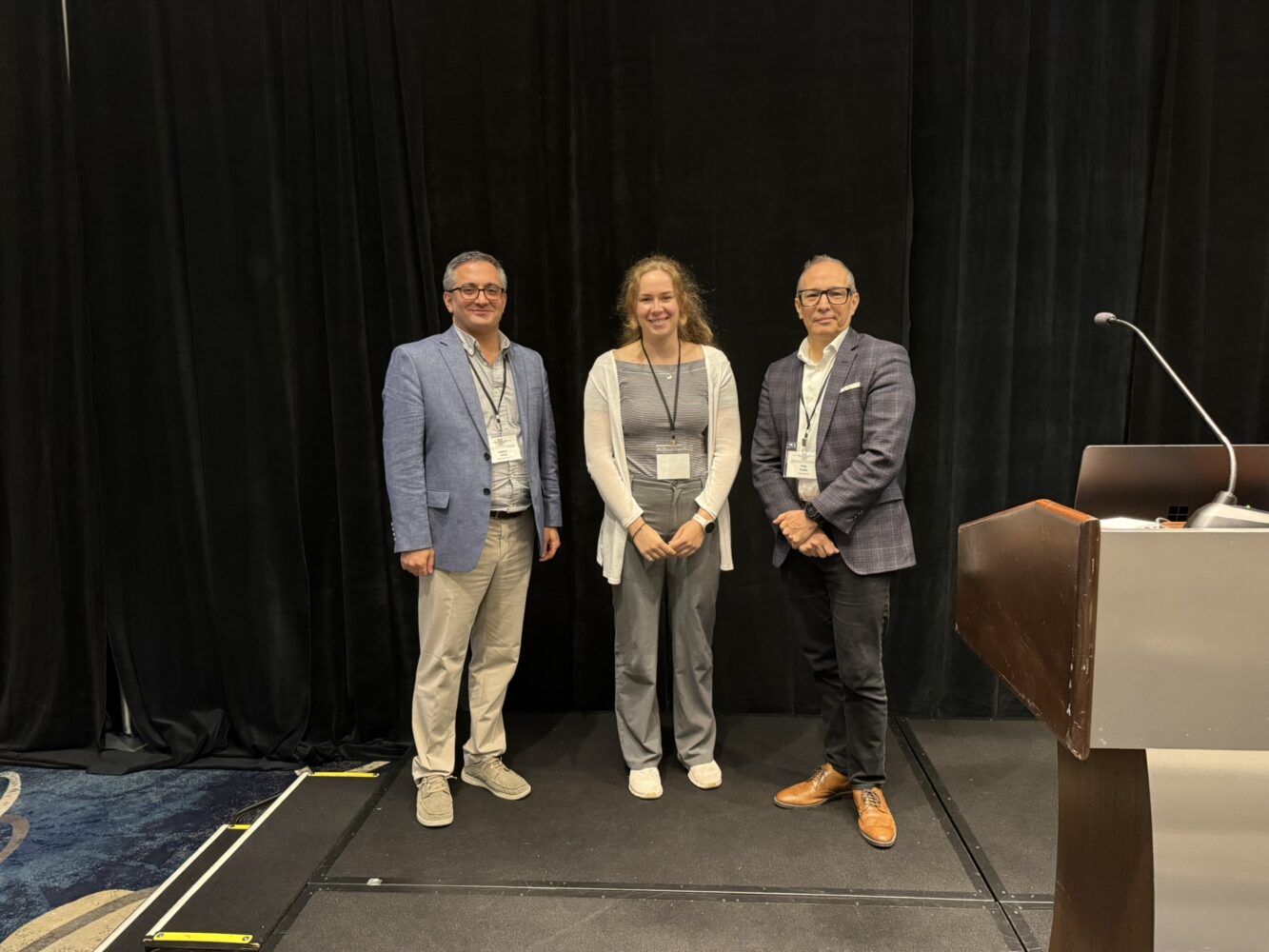
A team of RUN researchers presented their latest breakthroughs at the 11th International Conference on Optical Terahertz Science and Technology (OTST 2026), which took place in Durham (USA) from April 12 to 17. The event showcased key advances in terahertz research, ranging from fundamental science to cutting-edge technology. RTG associate member and doctoral researcher Katharina…
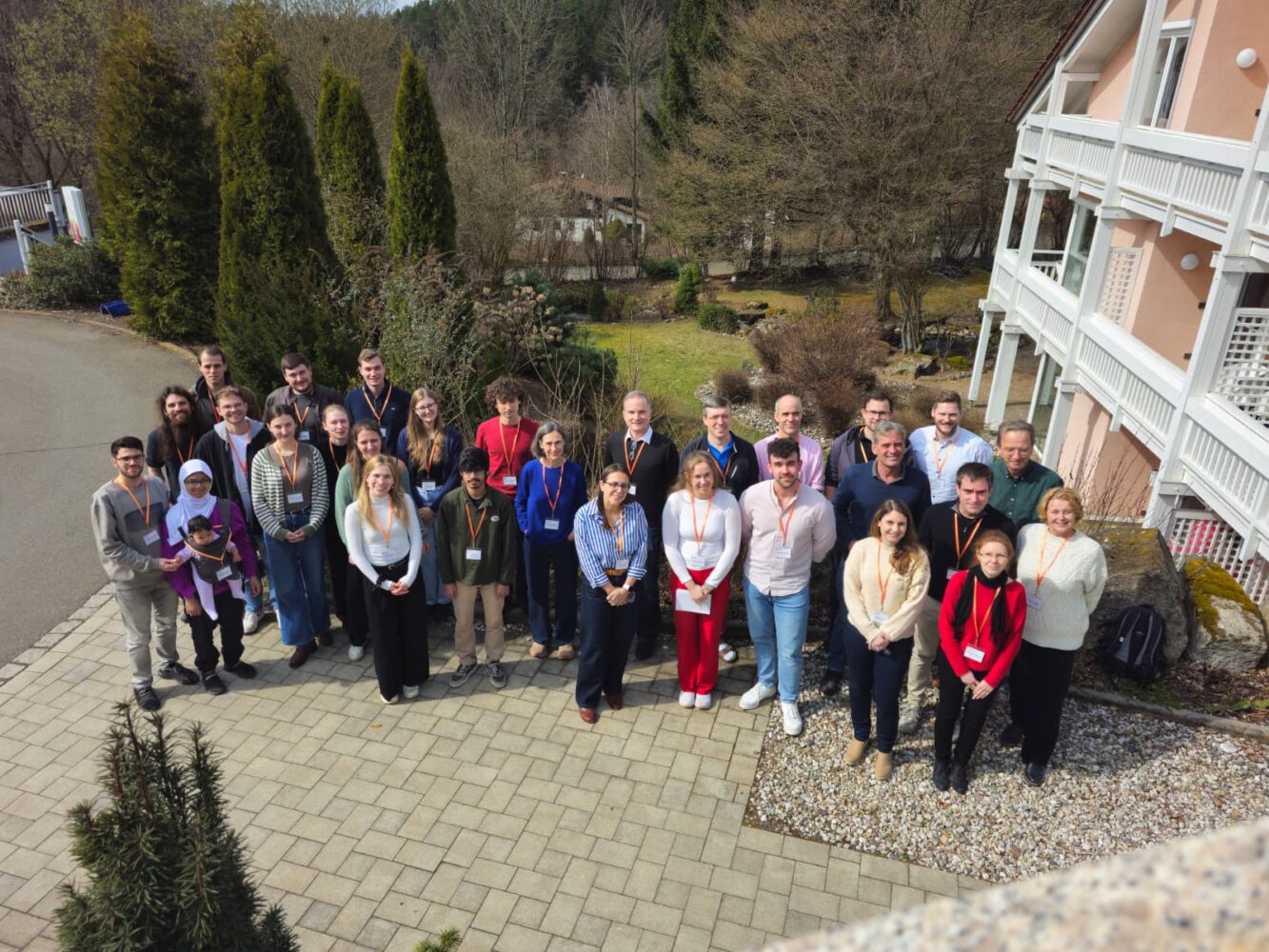
The second RTG offsite workshop took place in Rötz from March 23 to 25, 2026. The doctoral students and principal investigators gathered for three days of engaging presentations, lively discussions, and a beautiful scenic hike in the Bavarian Forest. Highlights included presentations by our invited speakers Dr. Hanieh Fattahi (MPI Erlangen, Germany), Dr. Nathalie Lenke…
Using a conventional tabletop mid-infrared laser, we observed optical signals modulated on Ångström length scales. These signatures stem from light emission from tunneling currents flowing between the most frontier atom of a metallic tip and a sample surface and are driven by the oscillating electric field of the laser light.This tunneling-mediated contrast emerges under relatively…